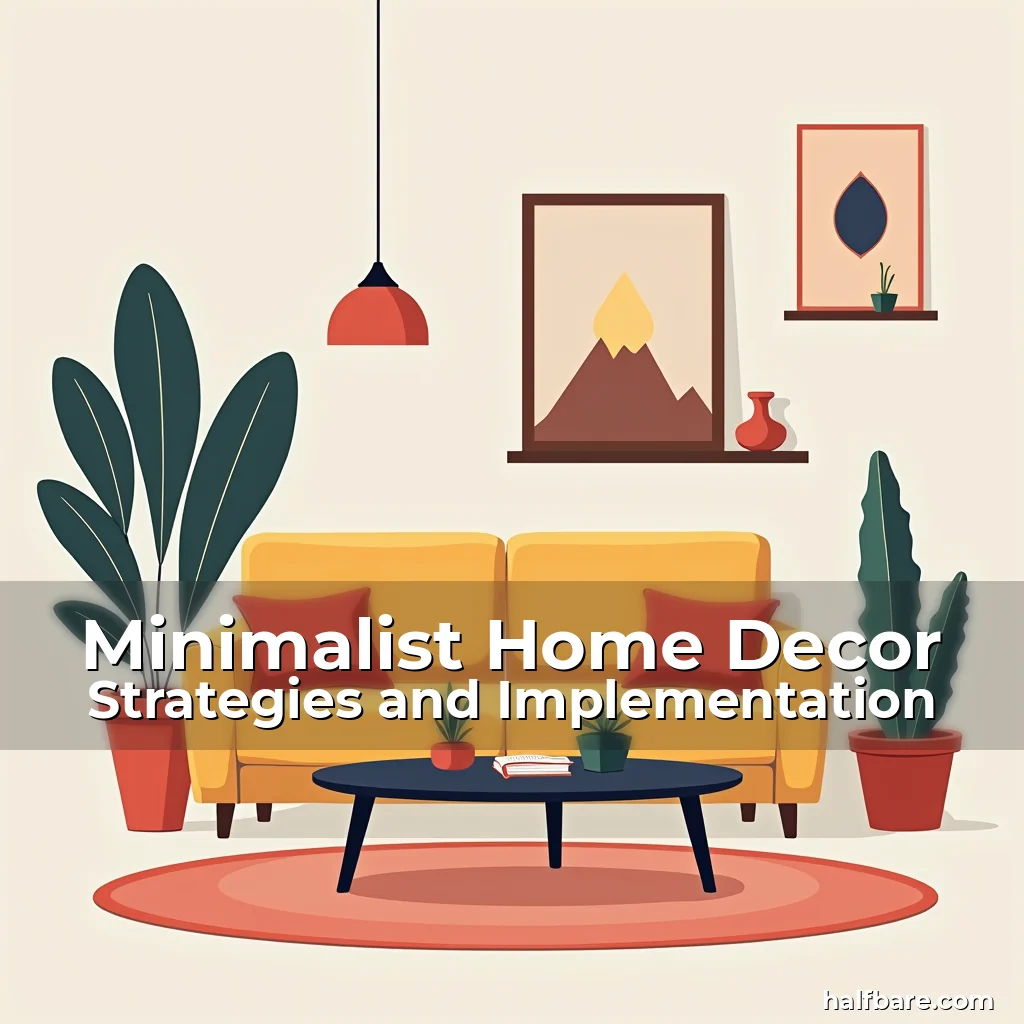
The Art of Simplicity: Crafting a Minimalist Home That Reflects Your Inner Peace
In an era dominated by cluttered spaces and overstimulating environments, the minimalist home decor movement has emerged as a sanctuary for those seeking calm, clarity, and intentional living. This approach isn’t merely about reducing possessions but curating a space that aligns with your values, enhances well-being, and fosters mindfulness.
Minimalism in design is a powerful tool that transforms how we interact with our surroundings, offering a haven where every element serves a purpose and contributes to an overall sense of harmony and balance.
The Philosophy Behind Minimalist Design
At its core, minimalist home decor stems from a philosophy centered around intentionality and mindfulness. It challenges us to reflect on what truly matters in our lives and to eliminate anything that distracts from these priorities.
This mindset encourages individuals to detach from material excess, focusing instead on experiences, relationships, and personal growth. By simplifying our physical environment, we create mental space for deeper connections and greater self-awareness.
- Simplicity as Freedom: A minimalist lifestyle offers liberation from the burden of managing excessive belongings, allowing time and energy to be redirected toward meaningful activities.
- Cultural Influences: Rooted in Zen Buddhism and Scandinavian traditions, minimalism emphasizes clean lines, natural materials, and functional aesthetics while promoting serenity and order.
Essential Principles of Minimalist Decor
To achieve a cohesive minimalist look, several key principles guide the selection and arrangement of furniture, colors, and accessories within a space.
These guidelines ensure that each item chosen contributes positively to the ambiance without overwhelming the senses or creating visual chaos.
A primary principle involves decluttering—removing unnecessary objects to reveal the beauty of simplicity and functionality.
An equally vital aspect is the strategic placement of items; everything should have a designated spot to maintain organization and prevent accumulation of unused goods.
Color Palette Selection for Minimalism
Selecting an appropriate color palette plays a crucial role in achieving the desired effect of minimalist interiors. Neutral tones such as white, beige, gray, and soft pastels are commonly favored for their calming influence and ability to make rooms appear larger.
By limiting the number of colors used, homeowners can avoid visual overload and foster a tranquil atmosphere conducive to relaxation and contemplation.
Bold accents may be introduced sparingly through textiles, artwork, or decorative elements, adding depth without disrupting the serene backdrop provided by neutral hues.
It’s also essential to consider lighting conditions when choosing colors since different shades react uniquely under various light sources.
Furniture Choices for a Minimalist Space
Making thoughtful choices regarding furniture is fundamental in establishing a minimalist aesthetic. Opting for pieces with clean lines, simple shapes, and multifunctional designs helps maximize both style and utility within limited square footage.
Prioritizing quality over quantity ensures longevity and reduces frequent replacements, which supports sustainability efforts while maintaining elegance throughout the years.
Modular sofas, built-in storage solutions, and convertible tables exemplify versatile options ideal for modern homes aiming at efficiency without sacrificing comfort.
Additionally, selecting furniture made from sustainable materials promotes eco-conscious living aligned perfectly with minimalist ideals focused on mindful consumption practices.
Lighting Strategies to Enhance Minimalist Interiors
Proper illumination significantly impacts how effectively one achieves a minimalist interior. Natural daylight should always be maximized whenever possible because it creates openness and warmth naturally found in many traditional settings.
When artificial lighting becomes necessary due to architectural constraints or evening hours, opting for sleek fixtures featuring dimmable capabilities allows flexibility in adjusting brightness levels according to mood needs.
Incorporating layered lighting techniques—including ambient overhead lights combined with task-oriented reading lamps and accent lighting highlighting focal points—adds dimensionality without overcrowding surfaces with numerous devices.
Lastly, using smart bulbs capable of changing temperatures adds another layer of customization ensuring optimal visibility during different times of day while preserving tranquility associated with minimalistic themes.
Textiles and Soft Furnishings in a Minimalist Setting
While embracing minimalism often means reducing visible textures, carefully selected fabrics still play an integral part in defining the character of any room. Choosing high-quality yet understated materials like cotton blends, linen, wool, and hemp ensures durability alongside subtle sophistication.
Rather than filling walls entirely with patterned drapes or bold throws, incorporating single statement pieces strategically placed across furniture provides enough texture variation without becoming distracting.
Neutral-colored cushions paired with monochromatic rugs offer gentle contrast against predominantly bare floors helping define zones within open-plan layouts effortlessly.
Moreover, keeping fabric patterns restrained prevents visual confusion contributing further towards maintaining balance within confined areas.
Decorative Elements That Elevate Without Overwhelm
Addition of decorative elements must be approached thoughtfully so they complement rather than compete with existing features already present in the space. Selecting art pieces characterized by abstract forms or muted palettes ensures cohesion with surrounding décor styles.
Using plants selectively introduces life into otherwise sterile environments while reinforcing themes related nature appreciation central to many minimalist philosophies today.
Personal mementos displayed prominently serve dual purposes—they preserve memories cherished deeply while simultaneously acting as conversation starters inviting others into shared narratives behind them.
However, it remains critical never to exceed recommended limits concerning quantity; ideally sticking below five significant display items keeps things visually balanced preventing potential overwhelm experienced viewers might feel otherwise.
Tips for Maintaining Long-Term Success With Minimalism
Sustaining success with minimalist lifestyles requires ongoing commitment backed consistently applied strategies aimed at reinforcing positive habits developed initially upon adopting this way of living.
Establishing routines involving regular purging sessions enables proactive management of incoming acquisitions thus avoiding accidental reaccumulation common among beginners who occasionally slip back into old patterns unintentionally.
Setting clear boundaries around shopping behaviors including pre-approved lists prior visits help curb impulse buying tendencies detrimental long-term goals established early stages implementation phase itself.
Finally developing strong support networks consisting friends family members similarly inclined towards similar approaches proves invaluable resource providing encouragement accountability needed successful journey ahead.
Conclusion
Creating a minimalist home extends beyond mere decoration—it embodies a deliberate choice reflecting individual beliefs regarding value systems shaping daily existence positively impact overall happiness satisfaction derived from living intentionally.
Through careful consideration given aspects discussed above—from foundational philosophies guiding decisions taken throughout process up final touches added last moments—you too can transform your dwelling place into peaceful retreat embodying essence true minimalism defined precisely through conscious engagement every facet comprising complete living experience offered therein.

news is a contributor at HalfBare. We are committed to providing well-researched, accurate, and valuable content to our readers.